
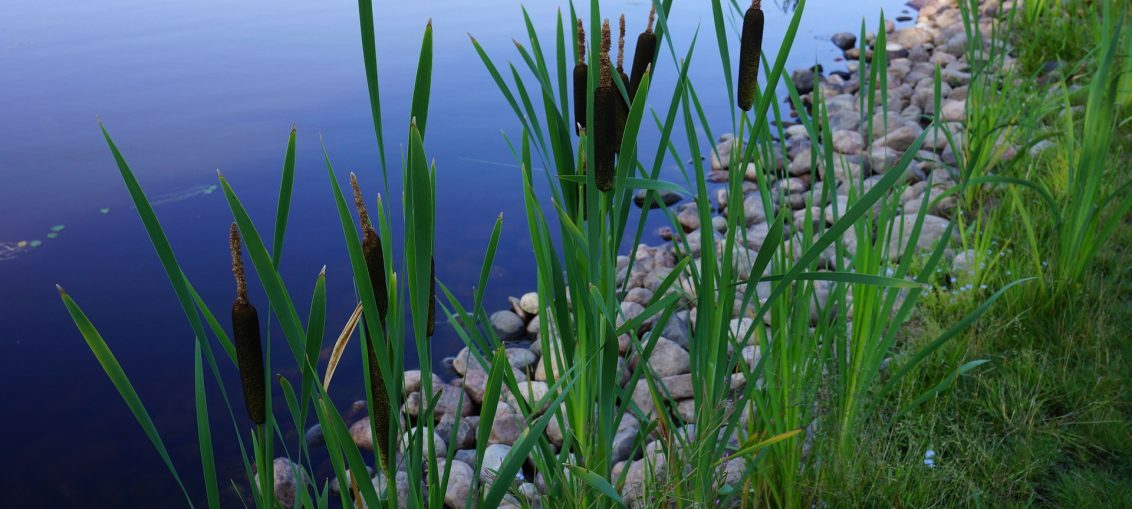
Walking along the riverside and marshes, I hear the sharp call of a Coot amongst last year’s Bulrushes. I also obtain my very first sighting of early Butterbur flower stalks. The vivid green leaves of wild garlic are now vigorously pushing their way out of the damp soil. Lesser Celandine leaves are plentiful although the pretty yellow flowers are still thin on the ground. Likewise, wild strawberries are beginning to make their appearance with their tiny star-like white flowers which are easily missed. Buds are appearing and leaves unfurling, it feels like welcoming back old friends after a long absence.
Tree buds which have laid dormant since last summer are now beginning to swell. The velvety black buds of the Ash are becoming more evident now. So are the gloriously sticky red buds of the magnificent Horse Chestnut.
Along the roadside I come across my first sighting this year of Lungwort in flower. Primroses are now springing up all along the verges. They remind me I must dig out some recipes for using the flowers. On the other hand, they are such an important early food source for bees. Perhaps I should just leave them where they are for now.
Bittercress
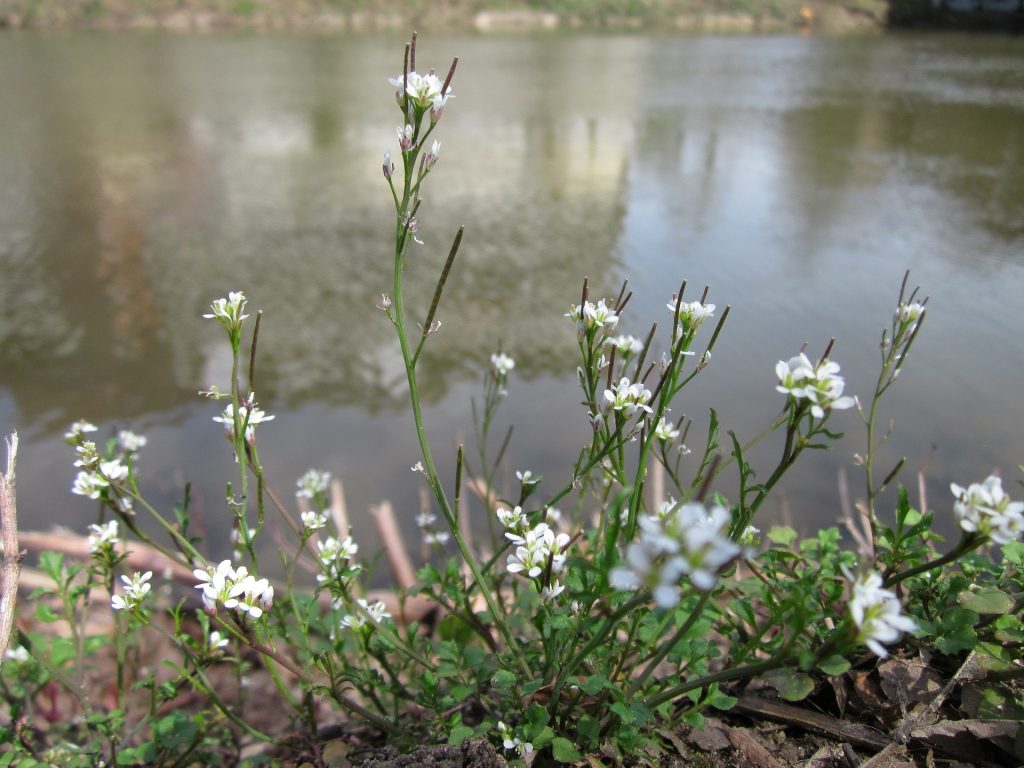
There are two sorts of Bittercress that you’re likely to come across – wavy (Cardamine flexuosa) and hairy (Cardamine hirsuta). It can be difficult to distinguish between them but, from an edible perspective, this doesn’t matter. They both have the same, delicious peppery and cressy taste.
Grows just about anywhere
It’s a stalwart little plant that will grow just about anywhere. From cracks in walls to bare patches of wasteland. In shady woodland or nestled in your garden flower pots or on the lawn. Most importantly it is one of the few edible green things that thrives throughout the year. Traditionally it was a very important source of nutrition during the winter months. This was in the days before we had the access to the huge variety of fruit and vegetables we now have. Produce is now flown or shipped into this country from almost every part of the globe.
Cancer beating
Bittercress is a member of the brassica family. Like its cousins watercress, cabbage and broccoli, has the same distinct clean and strong flavour and health giving properties. Members of this family contain cancer beating antioxidants which are also believed to protect the heart. In addition they contain good amounts of vitamin C and folic acid as well as other minerals.
Cheese sandwich
You can’t beat adding bittercress to your cheese sandwiches. However, you might like to try something more exotic and interesting. Try chopping them finely and gently frying in sunflower oil together with some mustard seeds, black onion seeds and garlic. This can then be mixed into chicken dishes or added to salads.
Plantain (Plantago major)

Not to be confused with the banana- like plant of the same name, plantain is rather like pineapple weed. This is because it loves to grow in well trodden places. The plant has a long tradition of being used medicinally. It is one of the nine sacred herbs recorded in the ancient Lacnunga (‘Remedies’), a collection of Anglo-Saxon medical texts.
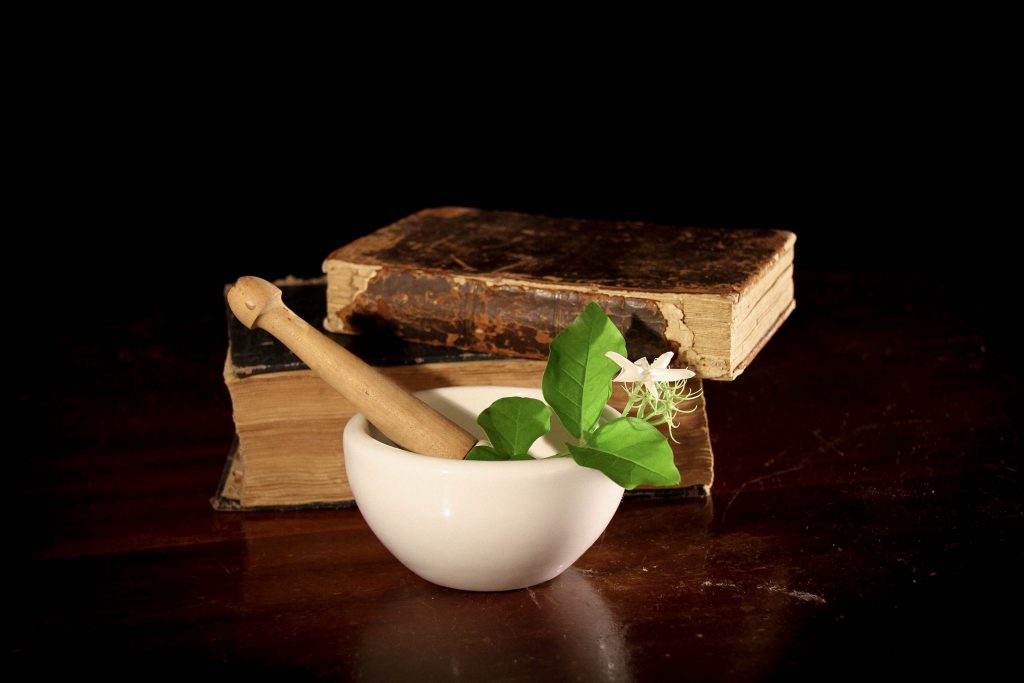
The leaves were used as plasters by the Roman soldiers to protect their feet. They would also heal the blisters sustained during their long marches. The leaves have a slight sponginess to them and are mildly antiseptic, helping to prevent infection.
Excellent wound herb
Plantain is also an excellent wound herb. It possesses a styptic action (stops bleeding), probably due, in part, to the tannin content. You can apply the crushed leaves directly to the wound. Alternatively, chew the leaves first before applying as a “spit poultice”, a direct and useful application if you’re out and about!

Around 250 species
There are around 250 species of plantain. Two of the most widely distributed, and the most employed in herbal medicine are Plantago major, or broad leaved plantain, and Plantago lanceolata which has thinner, longer and rougher leaves. Either can be used to effectively treat respiratory ailments, such as bronchitis, catarrh and sinusitis. I particularly like using the herb for children who suffer from persistent dry coughs.
Promotes healing
Plantain can also be beneficial for treating urinary tract infections. Its demulcent properties dampen down inflammation and irritation and the astringent and anti infective nature of the herb tones the membranes and helps promote healing. Likewise the herb can be used for gastrointestinal complaints. It may also have the added benefit of lowering harmful cholesterol levels and could even help balance blood sugar levels.
If you wish to take the herb internally, you can make a tea from the leaves. Drink two to three times daily to help ease sore throats, coughs and colds. Sweeten with a little honey, if desired as the taste is quite bitter.
Moss (Sphagnum spp.)

Source of drinking water
Sphagnum is a genus of around 380 species of mosses, sometimes referred to as peat moss. In general moss is a good ally to the survivalist out in the wilds and it has many uses. It acts like a sponge, soaking up rainwater and surrounding moisture. As such it can be considered a source of drinking water and the acidity of the plant has an antimicrobial action making the water relatively safe to drink. This might not be ideal as the plant can of course harbour other organisms, but in a survival situation it might be the best option! It is also a good insulating material for shelters and its ability to soak up water makes for reasonable waterproofing properties too.

The myth direction finding
It’s a myth that you can tell which direction you’re facing by looking at moss on trees, it merely grows in tree cracks where there is a plentiful supply of moisture. The plant draws its nutrients from the circulating air. It has an extraordinary ability to remain alive even when it becomes completely dried out until the next rainfall causes it to swell once more.
Inhibits bacterial and fungal growth
Sphagnum moss can be used to dress wounds, it’s high acidity inhibits bacterial and fungal growth and it has excellent absorptive qualities, it can hold up to twenty times its own weight in moisture. In dried form it was used extensively during the First World War and is purported to have saved thousands of lives. After cleaning the wound as thoroughly as possible, the moss should be packed against the wound and a bandage applied over it. If possible dried moss should be used as this increases its absorptive properties, otherwise wring out as much of the water as possible.
Heals skin conditions
This type of moss may also be used for soothing and healing skin conditions such as grazes and rashes. It can be applied as a compress and changed as it begins to dry out. In addition a tar like compound extracted from the peat that moss often grows on contains similar antiseptic and astringent properties as the Moss itself. A distillate of Peat Tar was used topically, until fairly recent times, for the treatment of eczema, psoriasis, haemorrhoids, acne, pruritus and insect bites amongst other skin conditions.
GORSE (Ulex europaeus)

This amazing hardy evergreen manages to flower year round in the harshest of moorland environments. It will grow almost anywhere but prefers calcareous soils. Gorse seems to particularly enjoy growing along motorway verges where the splashes of cheerful yellow flowers make a welcome sight during the winter months.
It is a member of the pea family and the flowers have a strong flavour of peas with honeyed undertones. Traditionally used to treat jaundice, its popularity as a medicine has declined. The flowers are now just considered a nice addition to salads or to graze on whilst passing.
Dandelion
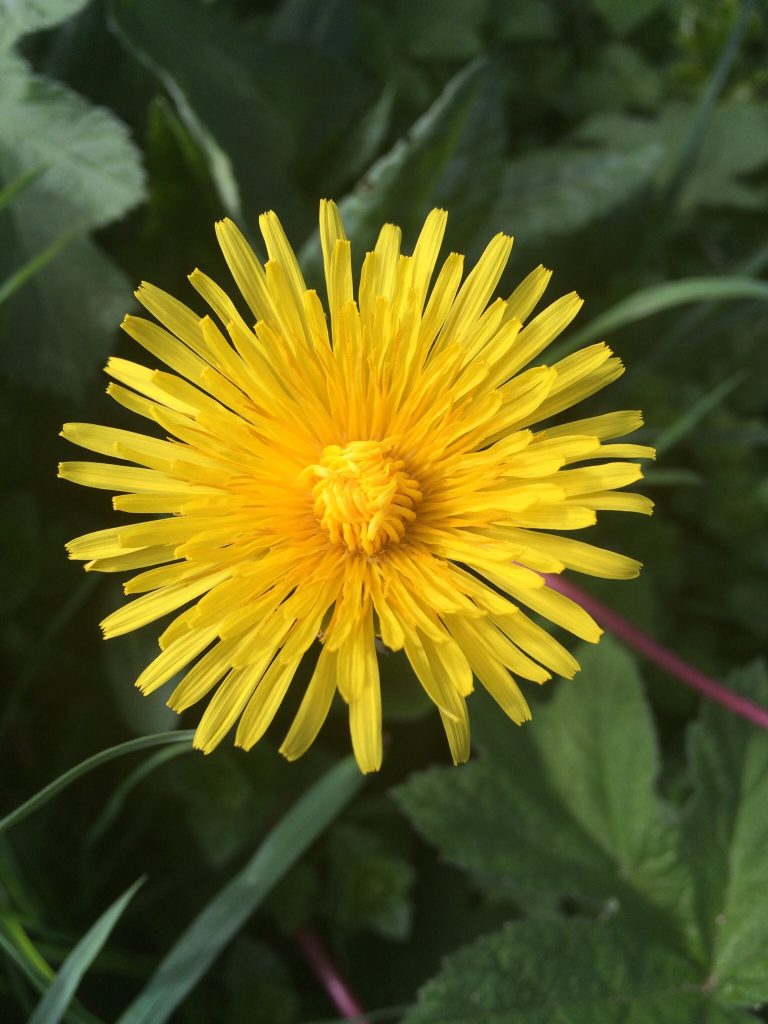
You have to hand the ultimate survivalist gold medal to the humble dandelion (Taraxacum officinale). The bane of gardeners lives, it demonstrates an extraordinary tenacity and is almost impossible to get the better of. It has a fleshy tap root which grows to around 30 centimetres in length. This has a habit of breaking off instantly when uprooted and a new plant appears seemingly overnight! Dandelions can flourish in the most hostile environments and many don’t even need to be pollinated to produce seeds.
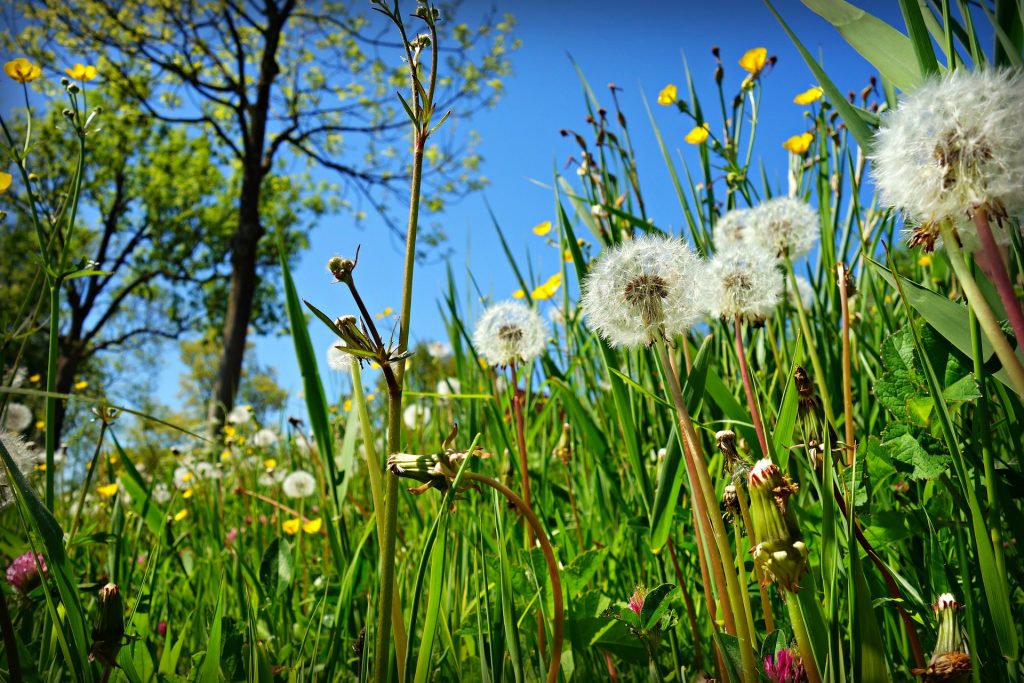
Each petal produces an individual seed which comes equipped with its own parachute and can be carried for up to 5 miles.
Not a nuisance
But dandelions shouldn’t be considered a nuisance, they are a fantastic food source and valuable medicine. The root, which can be slowly dried out in the oven and then roasted, contains inulin, a prebiotic polysaccharide which also helps to regulate blood sugar levels.

Kidney support
The leaves are quite diuretic and therefore a good kidney support. They even replace the potassium which is often lost through diuresis as the leaves are so high in this mineral. In addition dandelions contain high levels of beta carotene and the minerals iron, phosphorus, manganese and magnesium.
Try adding young dandelion leaves, which aren’t so bitter, to salads, or make a dandelion root tea by boiling the root for ten minutes and allowing to cool before straining and drinking.
NETTLES (Urtica dioica)

The word Urtica means “to burn” which is self explanatory and dioica means “two houses” which is a reference to the fact that the plant produces separate male or female flowers.
Powerhouse of nutrients
Nettles are a powerhouse of nutrients and contain good amounts of vitamin C, iron, boron, magnesium and calcium. Traditionally used as a blood tonic it is helpful for anaemia and it also supports kidney function with its mild diuretic action and could help prevent kidney stone formation. Nettles are antiallergenic and can be beneficial in combatting hay fever, mild asthma and eczema. In addition nettles can help remove uric acid crystals in the body which cause the pain and inflammation in gout.
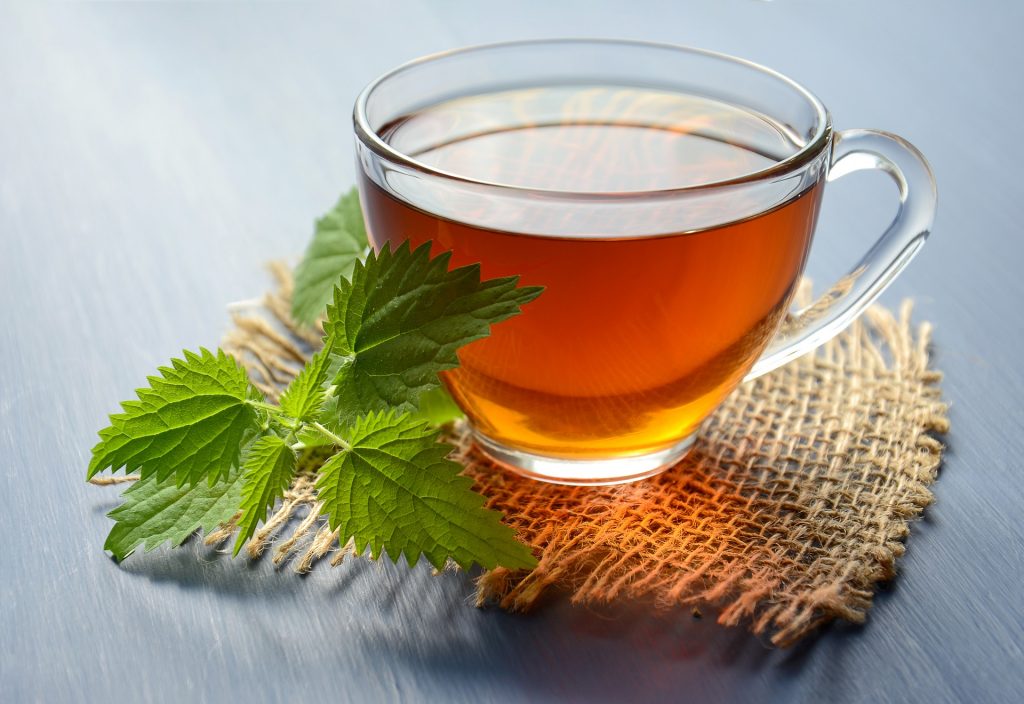
Lemony taste
They often grow next to cleavers and the combination couldn’t be a better tonic at this time of year. Snip off a few of the topmost leaves with scissors and wear gloves to avoid the stinging hairs. Infuse in hot water for about five minutes and then drink. It has a pleasant and mild lemony taste. The leaves can also be added to soups and stews but don’t overdo it as the flavour can be a bit earthy and overpowering. I often combine it with butternut squash, potato and garlic to make a lovely creamy, nutritious soup.
CLEAVERS
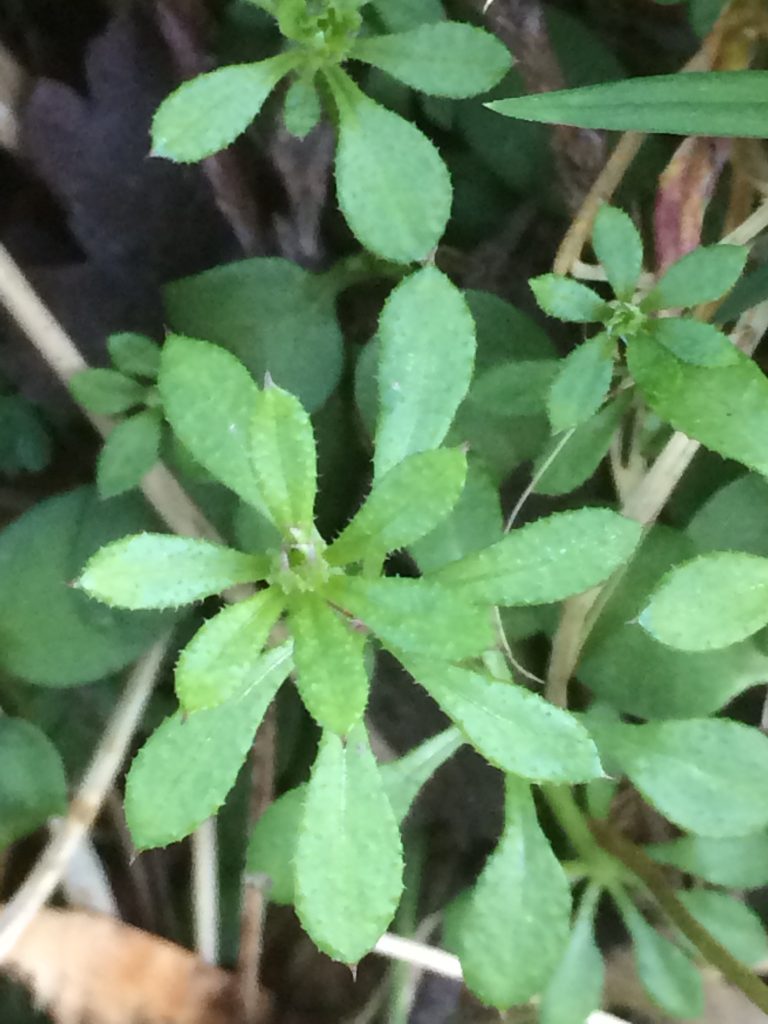
Also known as goose grass or sticky willy, cleavers (Galium aparine) has more uses than just sticking on the backs of unsuspecting people and running away laughing! Traditionally the herb has been used to improve the function of a sluggish lymphatic system, thereby boosting the immune system. It is rich in many minerals including silica and calcium and is a truly wonderful spring tonic to drive away those winter blues.
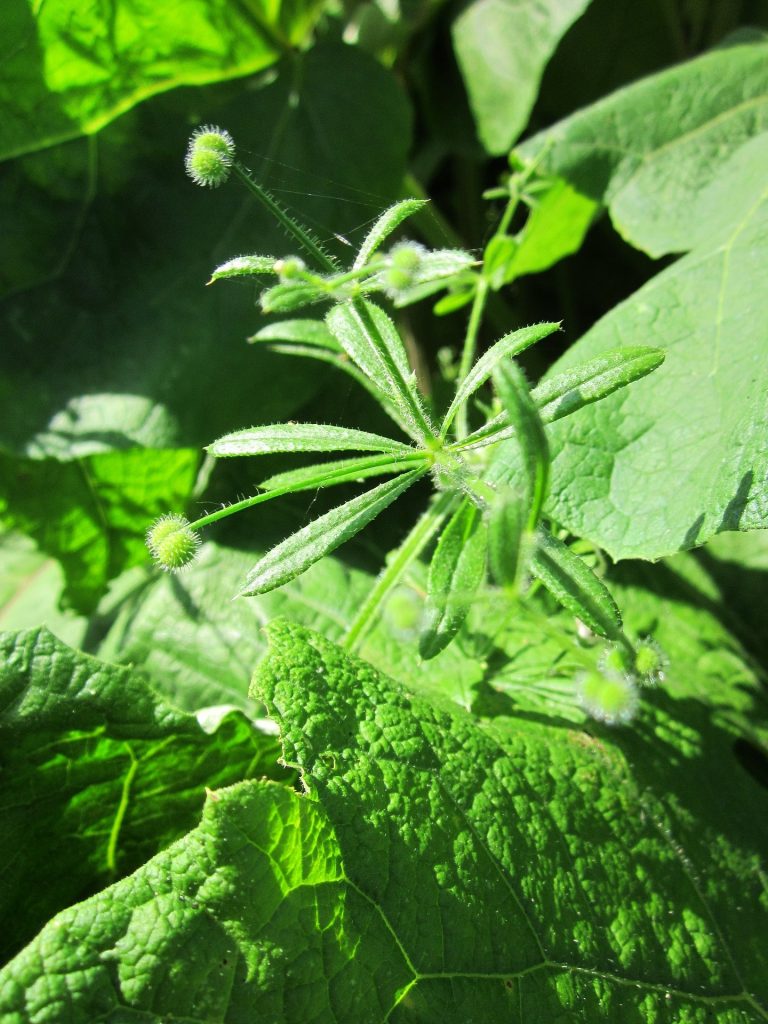
Gather a handful and soak overnight in a basin of cold water. The following day, strain through a sieve and drink the resulting liquid freely throughout the day. It has the delicious scent of newly cut grass as it contains the same chemical, coumarin. The taste is slightly sweet and rather green but it is very palatable.
As a member of the coffee family, the seeds are sometimes roasted and drunk as a substitute. However, I can’t guarantee the effects will be the same!
PRIMROSE

Root extracts from primrose have been used commercially in cough syrups and used to treat arthritis and rheumatism. The leaves and flowers can also be used as a tea to alleviate anxiety, insomnia and even migraines. The flowers are refreshing and sweet and the young leaves can be used as a green vegetable or in salads.
WILD GARLIC

The wild garlic, (Allium ursinum), has to be one of our most exciting and useful wild-growing spring greens. It loves to grow in shady, damp areas and along the riverside is a perfect setting for it. It is also an Ancient Woodland Indicator and carpets much of the damp woodland floors around here in early Spring. The lance like, bright green leaves can grow up to 25 cm in length and the spherical flower heads are creamy-white in colour with small, star-like individual flowers.
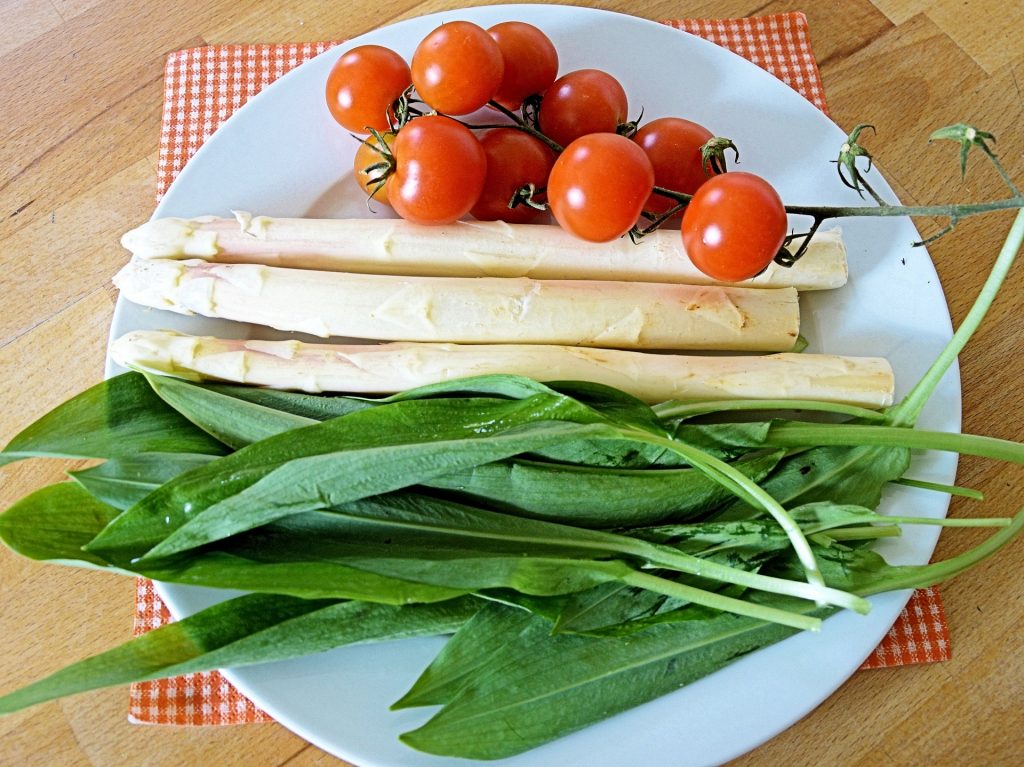
Delicious, crunchy treat
All parts of wild garlic are edible, the leaves can be picked right now and added to salads or made into pesto. Later on the flowers and green seeds make a delicious, crunchy treat and the root, or bulb, may be harvested later on in the summer when the leaves have turned yellow. These can be used in cooking in much the same way as the cloves of shop bought garlic which we may be more familiar with.
Ward off vampires!
So, what are the properties of garlic, apart from warding off vampires of course? It is strongly anti-bacterial, anti-viral and anti-fungal, it is also an expectorant making it good for coughs and colds. Garlic reduces levels of bad cholesterol, dilates blood vessels and thins the blood, so it is a good cardiovascular tonic. But be aware that it can interact with blood thinning medications such as aspirin and warfarin, so don’t consume it in large quantities if you are taking these medications.
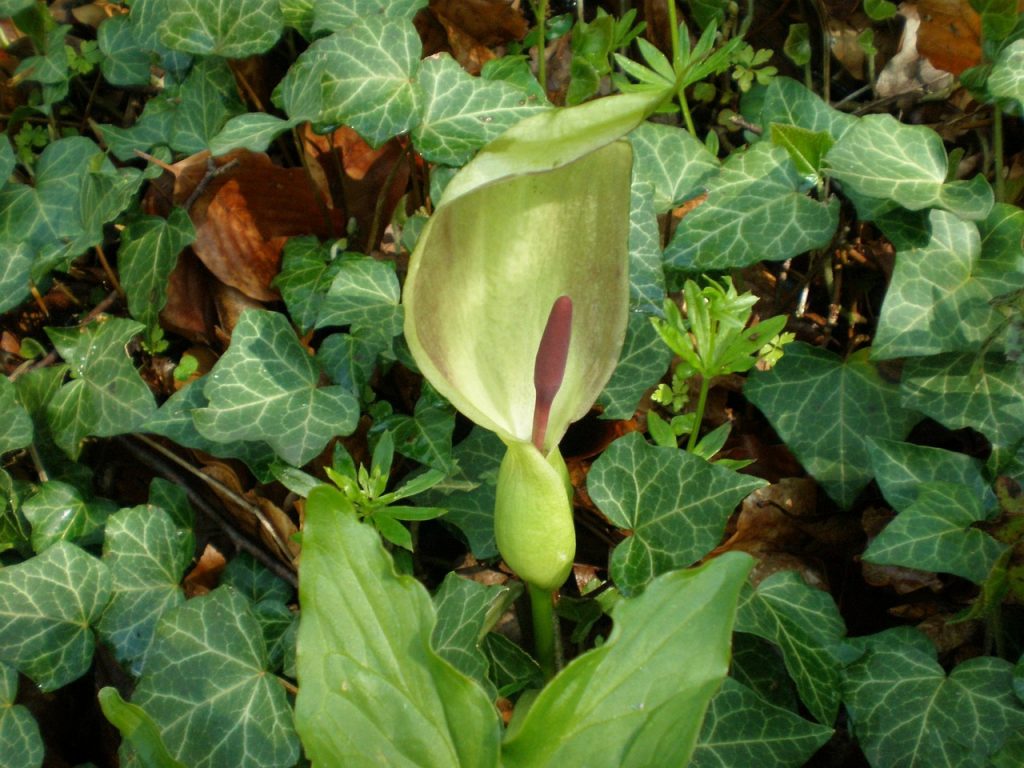
Beware of Lords and ladies
Be careful when harvesting the leaves and watch out for the poisonous Lords and ladies (Arum maculatum) that love to grow right up close to wild garlic. Make sure to familiarise yourself with how they look and don’t just go with the old adage “…if it smells like garlic, it is garlic”, if you’ve been picking lots of garlic leaves, your hands and all the other leaves you touch will smell just like garlic too! The golden rule, as with all foraged material, is to check the leaves when you pick them, check again when you sort through them and check once more before adding them to your recipe.
Remember the golden rules of foraging:
- Only take what you need and know you will actually use.
- Don’t pick from areas where the plant is scarce or you don’t have permission.
- Be very, very careful to identify correctly- “if in doubt leave it out”.
- Be aware that just because it’s natural does not mean it’s safe and suitable for everyone.
- Do consult your GP or medical herbalist if you are taking other medications as adverse interactions can occur. If pregnant, or if you have a medical condition, be very cautious and seek medical advice if you have any doubts.
About the author:

Renuka Russell is a qualified Western Medical Herbalist with a particular interest in using the medicinal plants and trees found growing locally.
She runs workshops, walks and community events to enthuse and encourage people to learn about and respect their natural surroundings and how to identify plants and forage safely.
Renuka is the owner of Be Outdoors, based in The Peak District, which comprises a team of outdoor activity instructors and therapists enabling people to benefit from outdoor experiences for their physical and mental well-being and to enhance all areas of their lives.

Loved this article. Thanks for sharing.
Thank you. Renuka is incredibly knowledgeable and has a wonderful way of presenting her knowledge.