

This article originally appeared on Secrets of Survival and has been adapted and republished here with permission.
What is Prepping?
At the most basic level, the word prepping is simply short for “preparing” or “preparation”. However in modern usage it’s come to be associated specifically with preparations for large scale disasters and catastrophes. Things as common as stocking up on canned goods in anticipation of a major storm could be described as prepping. So could having a good first-aid kit around the house. But it could also go much further than that.
The idea of being properly prepared for some kind of large scale crisis may seem strange to ordinary people. For some of us it seems like an obvious thing to do. All it takes is being aware of the wider world and what’s going on in it. It’s entirely possible that the world will keep on as normal. In this case, those of us who’re well prepared will have wasted a little money. Likewise a little time was used on making preparations for a disaster that doesn’t happen.
What if a terrible crisis does occur?
On the other hand, though, a terrible crisis does occur. Those of us who are ready for it will have a far higher chance of surviving. Those who are poorly prepared will likely perish. When it comes to the survival of our families, we’re not willing to take any chances. We therefore make preparations for all eventualities.
Think about it this way – are you someone who has insurance of any kind? Health insurance? Life insurance? Home owner’s insurance? If you own any kind of insurance, in a way you’re a “prepper”. You’ve prepared for a specific kind of rare but damaging event by purchasing insurance. If that event ever happens, your costs are covered and your suffering is lessened by a payout.
Prepping as insurance
Prepping is essentially the same thing as buying insurance. You’re buying insurance for the possibility that you might live in a world where insurance companies no longer exist. Prepping is simply insurance that helps your family survive if something happens leading to societal collapse in some way.
If you own any kind of insurance, then you have a ‘back up plan’ in place. This is in case something bad happens. Prepping is the backup plan to your backup plan. It’s a plan that kicks in when something in the world has gone very very wrong.
Before we get started, you may want a list of everything you need to be ready for a disaster or emergency situation. Here’s our full list of essential emergency supplies to survive any disaster. If you’ve acquired everything on that list, it’s fair to say that you’re officially a prepper. You’re ready for most survival scenarios.
What Are We Prepping for?
You may be the kind of person who thinks that it’s impossible for society to collapse. This could be because you’re either not paying attention or you’re hopelessly naive. Consider the possible natural disasters and man-made catastrophes that could happen. There’s an endless variety of ways that our everyday way of life could come instantly to an end.
It wasn’t that long ago – only a few decades ago – when we were in a cold war with Russia. There was a very real possibility of a nuclear war. It isn’t that difficult to envision a new cold war with China in the coming decades. An increase in tensions or even an all-out war with North Korea is a posiblility. Not to mention the dicey relationships that the USA and the west has with some nations. These include Iran, Russia, Pakistan and a number of other countries. All of these have, or are developing, a nuclear arsenal. That’s just talking about nuclear war. What about a conventional war, or terrorist attacks?
Natural Disasters
What about natural disasters, like hurricanes, or earthquakes, or floods? Surely we’ve all noticed the increase in large scale natural disasters that we’ve been experiencing. How about the possibility of a global pandemic similar to the Spanish Flu (which killed 50 million people. This was one third of the world’s population at the time). In a Spanish Flu scenario, more than 2 billion people could die. What kind of impact would this have on our normal lives, on the economy and society as a whole?
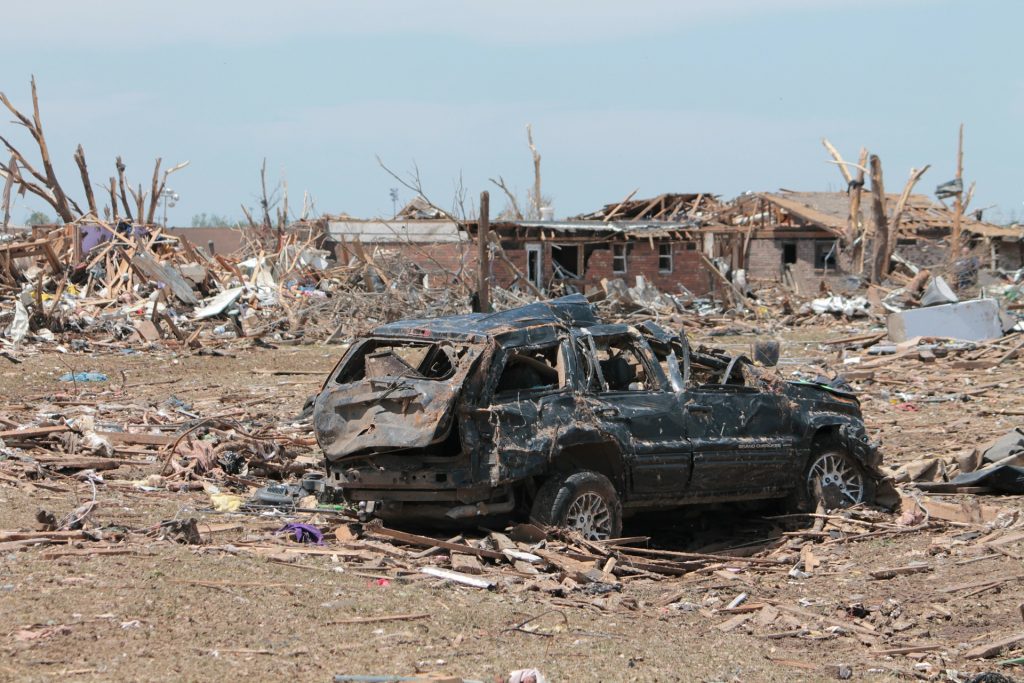
Scientists are increasingly worried about these so-called super viruses and anti-biotic resistant bacteria that are highly resistant to treatment. All it takes is one of these diseases to become both highly resistant and highly infectious/contagious. We could then be talking about a death toll not in the millions, but in the billions. In this situation, would we still have electricity? Would stores stay open? Would the food supply that we’ve come to rely on still function the same? Nobody can truly answer these kinds of questions. That’s why prepping is important.
The world is in more danger than it seems
The long and the short of it is that the world is in more danger that it seems. Everything that we see as ‘normal’ could be wiped out of existence at any time. Or we could go another 200 years without seeing the type of disaster that we’re prepping for. However, the risk always exist, and preppers are just people who recognize that risk. They have made appropriate preparations to protect their homes and their families in case a large scale disaster does happen.
The Different Kinds of Preppers
There are a number of different ‘types’ of prepping that you can do. Obviously different people have different interests. Often your other hobbies will carry over into the kind of preparations you make. We also find that the more you know about something, the more likely you’re worried about a disaster in that area. For example, a doctor knows the real chance of a pandemic so they prepare for that. A banker knows that an economic collapse could happen and prepares differently for a different kind of crisis. This should tell us something. The more a person seems to know about a subject, the more they’re worried about a devastating event relating to that subject actually occurring.
Some of the different types of prepping include:
- Disaster preppers: People who have detailed plans for specific amounts of food and water storage. (This includes how long they can last). They plan for extended periods of lack of access to basic things like clean water and electricity.
- Off-the-grid preppers: People focused on having an RV or cabin that’s completely off-the-grid. They rely on solar power or other self-reliant source of energy and have a plan to ‘disappear’ to safety if necessary.
- Self defense: People who spend time preparing themselves for combat situations and confrontations, either armed or unarmed
- Homesteading: People who are focused on building their own sustainable food supply via agriculture and food preservation
- Financial: People who focus on frugal living and saving. This is in order to be as free from the economic system as possible. (There is the potential to profit when things get bad).
- Digital: People who are worried about privacy and security online, both from corporations, governments, and criminals. They tend to be interested in encryption and things like cryptocurrencies that improve privacy and security.
- Hunters and gatherers: People who know how to hunt, fish, or forage. Basically anyone who has an interest in being able to feed themselves in the wilderness with minimal tools.
Apply your hobbies and interests
The list of possible areas of interest and the related skills that you can pick up are endless. Almost all of them could prove useful. Prepping doesn’t just mean having a huge stockpile off food in your basement. It can be a lot more than that and go in almost any direction you like. Essentially, if your hobbies or interests could prove useful in a disaster situation, then you can apply that to your prepping by simply changing your frame of mind. Don’t purely thinking about something as ‘I’m doing this for fun”. Think about it also as ‘I’m doing this to arm myself with a new and useful survival skill”
How Do I Start Prepping?
Prepper Stage 1: Storage of Resources
There are two main aspects to becoming a successful prepper. The first is the storage of resources. Our goal is to be prepared for a disaster that potentially leads to a lack of access to electricity, to clean water, and to food. To be prepared, we need to figure out what we can live without, and start to store up some of the things we can’t live without. Food and water are probably the first things you think of. However, you also need to think about first aid and medical needs. You should consider items that help with light and heat, and so forth.
We also need to figure out what kind of survival equipment we need that will make it easier for us to replenish our needs. As an example of this – we need water to survive. But no matter how much clean drinking water you store up, you’ll run out of it at some point. So we need to figure out what kind of gear we need to purify or distill our own water.
Prepper Stage 2: Acquiring Survival Skills and Knowledge
The second aspect of prepping is the acquisition of survival knowledge. (Some feel this is even more important than the first). Feeding your family becomes a lot easier if you know how to hunt, fish or grow your own food. Getting your hands on drinking water is made more challenging if you don’t know how to find safe water in the wild. Similarly if you don’t know how to turn unsafe water into drinkable water.
Defending your family against wild animals or dangerous looters is safer if you know how to wield a firearm. It’s also easier if you have experience with primitive weapons or know martial arts and self defense. Treating wounds and illnesses is more of a possibility if you can recognize medicinal plants in the wild and know what they can be used for. All of these skills were probably pretty commonplace two hundred years ago. Nowadays most people are woefully under prepared for any kind of true survival situation.
Filling in holes
You see where we’re going with this? Using nothing but your survival skills, it’s possible to fill in holes in your resource storage. It’s impossible to plan for every eventuality. The survival conditions that you find yourself dealing with in the event of a massive hurricane are going to be very different from the conditions you might deal with in a global flu pandemic. With the right survival skills and expertise, you’ll be able to build up a base of useful resources like food, water and shelter items. Hopefully you’ll know enough to improvise the rest. The more you know, the more adaptable you’ll be.
Acquiring new survival skills is arguably even more important than stockpiling resources. However, if you’re new to the prepping mindset, the easiest first step is to start making a plan. This will be how you’ll meet your, and your family’s, basic needs in a crisis scenario.
A Prepper’s Basic Survival Blueprint
Contrary to what most people think, your highest priority as a survival prepper shouldn’t be food. Food is certainly important, and the bulk of resources that you end up stockpiling will probably end up being food related. But the truth is that food comes last on your list of priorities if you goal is to survive.
Survival experts follow something called the rule of three – it’s an easy way to remember how you need to prioritize if you end up in a survival situation. You should be able to:
- survive for three minutes without air (or in ice cold water)
- endure three hours without shelter in extreme conditions
- survive for three days without water
- last for three weeks without food
Don’t take things for granted
Many people, even relatively experienced preppers, often take the first three things for granted. They stock up on a bunch of canned goods and assume they’ll survive whatever’s coming. Most other prepping focused websites will spend a bunch of time talking about food storage and preservation. They neglect the importance of the first three points. In particular, the importance of breathable air and safe shelter are dangerously overlooked.
When making a survival plan, you should be thinking about the scenarios you want to be prepared for. Then apply the rule of three to these scenarios and build your plan from there. People take breathable air for granted, which is why it so often goes ignored. But in the event of a nuclear or chemical attack, or a pandemic flu, who’s to say that the air is safe to breathe? In this kind of situation, you’d need a survival gas mask or something similar to survive.
Shelter
Granted, the survival scenarios that have the highest probability of occurring mostly don’t involved un-breathable or contaminated air. But what about shelter?
We can only survive for three hours in extreme heat or cold. Most places in the world, including most of the USA, experiences either extreme heat or extreme cold (or both in some cases) depending on the time of the year. Would you be able to survive comfortably in the dead of winter without any form of electricity or heating? Do you have a stockpile of resources that will allow you to build fires the old-fashioned way through the whole of winter? What about if you’re away from your home when something catastrophic occurs? Do you have easy access to materials to be able to improvise a shelter or tent? If not, do you have access to any kind of survival tent at all?
So, in our blueprint for survival prepping, we’re going to adhere to the rule of three. We must also take into account where our priorities should be.
- Have a backup plan in case the air isn’t breathable
- Make sure you have the resources to shelter comfortably, and the items and equipment you’d need to improvise a shelter
- Make sure you have both access to a storage of clean drinking water and the means to produce it
- Start building up your food stockpile
- Start acquiring the skills needed to meet all these needs even without access to any resources
Prepping Priority 1: Breathable Air
This one is relatively straightforward – air is generally breathable. To plan for a situation where it’s not breathable, you need access to gas masks and plenty of backup filters. You could also consider looking into some kind of air filtration system for your basement. This would essentially turn your basement into a bunker. Our recommendation is to go with the gas masks. While building a true all-scenario bunker is a dream for many preppers, it can be inordinately expensive and time consuming. Here at Secrets of Survival, we understand that while you want to be prepared for all eventualities, you’re also living a full life in the world as it exists today. It simply doesn’t make sense financially for most people to invest in a fully kitted out all-scenario bunker/bomb shelter.
Prepping Priority 2: Safe Shelter
Shelter in the survival sense is quite simple and straightforward. To be safe from the elements, whatever they may be, you need 1. Something that covers you over the top of your head (a ceiling), and preferably to the sides as well (walls), and 2. Something that can help you regulate temperature.
The reason why we need something to cover us is to protect us from rain, snow, hail, and so forth. It’s very difficult (and dangerous) to sleep in the rain, and humans can’t function properly without sleep, and some forms of harsh weather can actually kill (hail, for example). Being wet is also extremely dangerous when combined with cold.
Regulating temperature
We need to be able to regulate temperature because as a species, we cannot survive in extreme temperatures. There is actually an extremely small range of temperatures that humans can survive comfortably. It ranges from about 70 F to 90 F, depending on wind chill and humidity. We’re extremely fragile creatures. Any colder or hotter than this narrow band of temperatures and you’re in danger. You might think that 70 F sounds comfortable, but remember – that’s one of the reasons why we wear clothing. In our natural state, we are not very durable creatures at all. Clothing is a form of temperature regulation, as is shelter.
That’s why temperature regulation is so important. When it comes to regulating temperature in a survival scenario, other than having a roof over your head as shade, there’s nothing more reliable or traditional as fire. That’s why it’s exceedingly important that you have the right materials and equipment on hand to be able to start a fire even in wet conditions. Sure, some people can build fires without equipment. That’s definitely a useful skill to have. But we strongly recommend you just go ahead and stock up on the resources that make fire building easy.
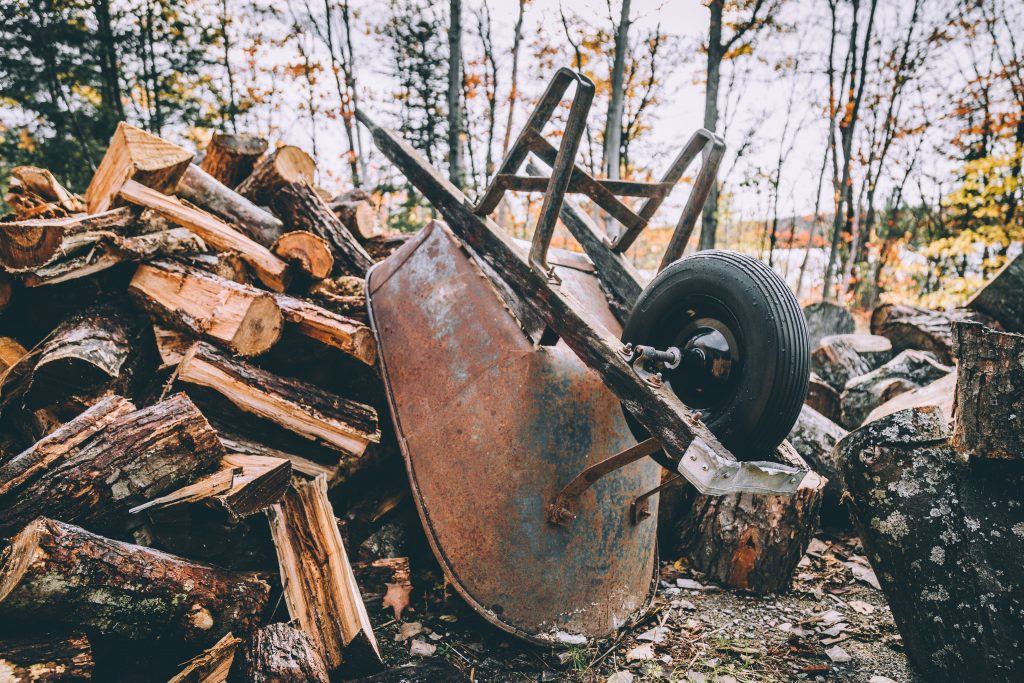
After all, in a disaster situation, you don’t want to make anything more difficult than it needs to be. Having stockpiles for fire-making is even more essential for those of you who live in areas that get colder… but remember, anything under 70 F is already cold for humans. Even if you live in a region with pretty temperate weather, it still probably makes sense to make sure you have everything you need to make your shelter comfortable.
Prepping Priority 3: Access to Clean Water
Those of us who live in the developed world often forget how important clean water is to survival. This is probably because most of us have access to virtually unlimited amounts of safe drinking water for free. People who live in developing countries, on the other hand, value clean water immensely. In a disaster scenario, it’s very possible that you will also need to adopt this mindset in order to survive for longer than a couple of days.
Clean water
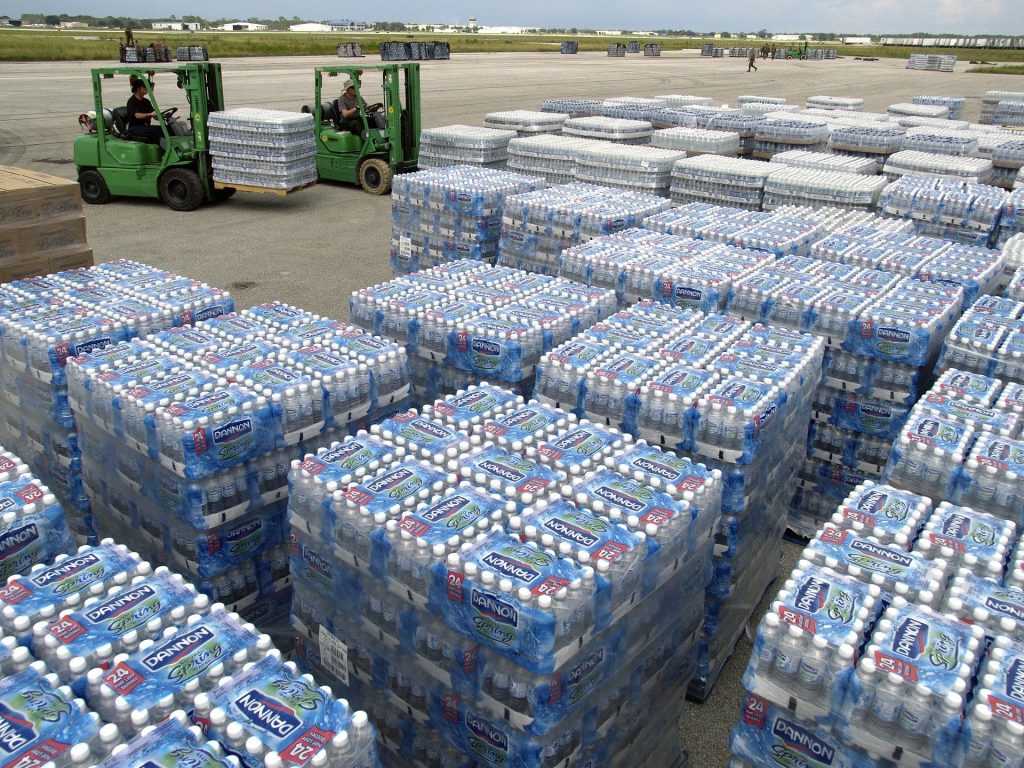
The first thing to do to ensure that you have access to clean water is to stockpile it. An average person needs about a half gallon a day of drinking water. So, for a family of four, you need 2 gallons of water a day. FEMA recommends that you store up to three days worth of water to deal with shortages and such. But, as preppers, we’re planning for scenarios that go beyond the typical natural disasters. We recommend having a stockpile of at least 2 weeks worth of water. This means you should have about 28 gallons of water stored at any given time.
The next consideration is storage. While water doesn’t expire, it can be contaminated – and most frequently this contamination happens because of the storage vessel. The best way to store water is in food safe plastic. It’s cheap and most water you’d buy comes already in it. Ideally, you want the water fully sealed when not in use, which is why the easiest way to stock up on water is simply to buy a few of these 12 packs of 1.5 liter bottles on Amazon.
Storage
It’s not the most economical way to go about it, but it’s the most straightforward. To meet the two week emergency water threshold for a family of four, you’d want to order 6 of these water packs. This makes storage extremely easy. You use water as you need, the rest of it remains sealed, and you don’t need to worry about it. When storing water, keep it in a cool, dark place away from direct sunlight as much as possible.
There are of course cheaper and more complicated ways of building up your clean water stockpile. We won’t get into those in this article. If you’re just starting to learn about prepping, the discussions of plastic versus glass containers and the size and appropriate storage and sealing methods for those containers can get overwhelming pretty quickly. We’d say keep it simple, bite the bullet and just buy the water you need pre-portioned to sidestep all the complications.
Long-term SHTF situations
2 weeks of water is good, but what if whatever situation you’re living through lasts longer than two weeks? This is where we get into building up your survival knowledge. If you want you and your family to be able to survive long term in a SHTF (shit hits the fan, a popular prepper acronym) situation, you need to have ways to get your hands on clean water when needed. A stockpile is a start, but it’s pretty difficult to store enough clean water when we’re talking about months or even years of survival-style living – it’s doable, but not without ample space and investment.
That’s why ideally, you’d be able to make your own safe drinking water out of unclean water sources. The most straightforward, foolproof way to be able to make water safe is to find the best water filtration systems and have one of those on hand. Alternatively, we also have a number of articles that deal with DIY water filtration methods – you can learn about emergency water distillation, or other kinds of DIY water filters.
Rainwater harvesting is another possibility. Finally, if you want to have the skills to be able to get your hands on drinking water when you’re away from your home or other place of shelter, you can learn how to find water in the wilderness or how to find safe drinking water after an urban disasterdepending on whether you feel you’d be more likely to be in the wild or in an urban setting when disaster strikes.
Prepping Priority 4: Food Storage
Finally, we arrive at food. Basic food stockpiling is pretty straightforward – look for non-perishable food items that are nutritious, buy them in bulk, and store them in cool, dry, dark places. If you’re not sure what to buy, we have a very in depth article on the best survival foods that’s actually one of the most popular articles on this site – make sure you check that out if you’re not sure where to begin. Food stockpiling is easy – make sure you buy the right things, store them in the right way, and cycle them roughly once a year and you’ll be able to feed your family through long periods of survival conditions.
Upgrading your food survival knowledge
Once you’re comfortable with the basic idea of stockpiling, storage, and cycling, you can begin to upgrade your survival knowledge when it comes to food. There are essentially three branches of survival food knowledge:
- Preserving foods, or learning to store them better so they last longer
- Finding food by hunting, trapping, fishing and foraging, or by scavenging in urban settings.
- Building sustainable sources of food by via agriculture (e.g growing food or raising animals for food).
There are a number of emergency food storage methods that are worth learning about to extend the shelf life of typical stockpile foods. These methods sometimes require modern equipment which you may not want to get your hands on – if that’s the case, you can instead read up on primitive food storage methods, which would include skills like fermentation and smoking/curing meat.
Procurement of food
When it comes to finding food in the wild, we have a large collection of articles relating to hunting, trapping, fishing and so forth. The most essential to these is probably hunting and trapping small game, survival fishing, and foraging for wild food (edible plants).
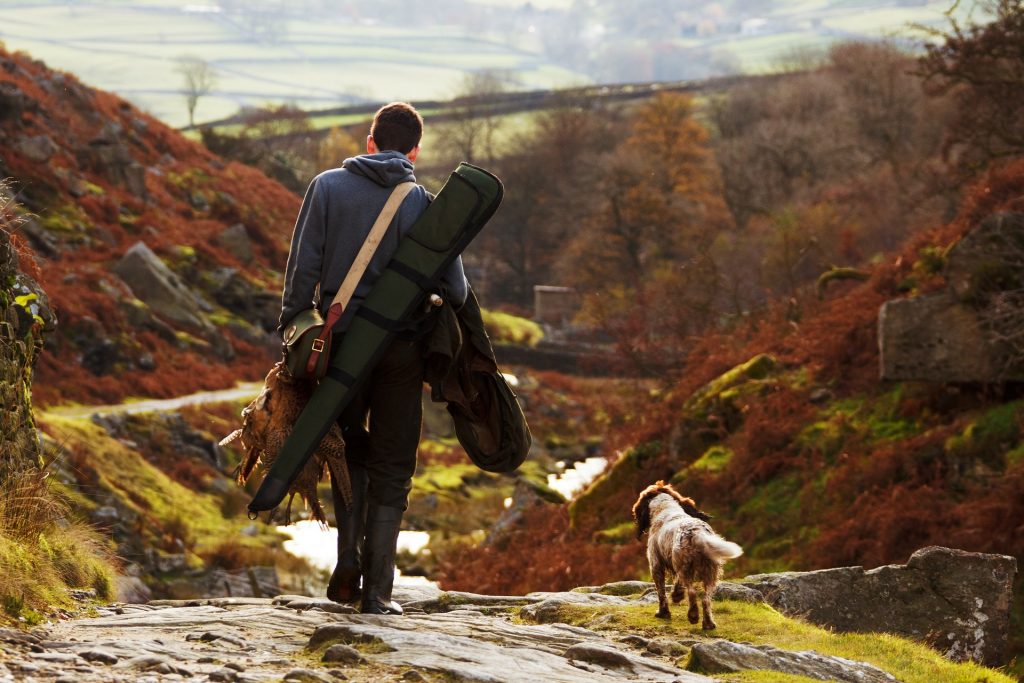
Finally, having the skills to build a sustainable source of food is a goal for many preppers. However, it’s not easy to do this and it requires substantial time and knowledge to get to the point where you can confidently say that you’d be able to be entirely self reliant on food that you supply yourself. If you want to start down this path, you can read about the best survival animals to raise, the top 10 seeds to grow in a survival situation, and survival composting.
We actually have an entire section on the site dedicated to the steps you need to take to cover your basic needs as dictated by the survival rule of three – food, water, and shelter (and breathable air). It covers all the survival skills and knowledge relevant to self sufficiency in these areas. If your goal is to go beyond being a prepper and you want to be a true survival expert, definitely check out that section of the site and read everything you’re able to.
Prepping Priority 5: Skill Acquisition to Sustain Needs
Once you’ve got basic stockpiles and plans for meeting all of your basic survival needs, you can move on to skill acquisition. This is where you go from the basics to becoming a certain “type” of prepper. We’ve already gone over some of the skills relevant to shelters, food, and water, but there are a huge variety of useful skills and knowledge that you can pick up that might come in handy in a true disaster scenario. Make sure you check out our survival skills section – pick and choose the things that interest you the most.
Some of the key survival skills that we think every prepper needs to know include things like building emergency bags (learning how to put together both a get home bag and a bug out bag are pretty essential skills). Knowing how to live off the land or what to do in a home invasion, and how to make a torch are just some of the wide range of survival skills that are covered in the section, so make sure you check it out.
Prepping Means Protecting your Stockpiles
In a genuine disaster, having a safe shelter and a stockpile of food and water is a huge advantage – but only as long as you can prevent others from forcibly taking what’s yours. When people are desperate, they’ll do anything to survive, and that includes attacking those who have the means of survival. Being properly prepared involves having the means and the will to protect yourself when necessary. Any prepper worth their salt should be armed in some way – with firearms, or at the very least non-lethal weapons or primitive weapons. Having some understanding of survival self defense is also a good idea.
If you think that desperate people won’t come for you, think again. There are rumors that some ex-military types have explicit plans to target preppers in a SHTF scenario, which is why protecting your family and your stockpile should be a consideration for any serious prepper. You need to be aware of the potential enemies of your survival stockpile and take the appropriate steps to ward off anybody or anything that could damage or hinder your survival plans and stockpiles.
The Prepping Mindset
There are a huge variety of possible disaster or catastrophic scenarios that could occur, and ultimately, it’s impossible to prepare for all of them. But that doesn’t mean that you shouldn’t be thinking about how you could maximize your chances in a genuine life or death survival situation. After all, it would be silly to say “There are so many rare diseases out there, it’s not worth having health insurance.” – that sentence makes no sense, and neither does not having a plan in place to help your family survive a crisis or disaster. More than anything else, our goal on this site is to encourage the prepping mindset – which goes beyond stockpiling resources.
It’s an attitude of awareness about the fragility of stability (and of human life), and an understanding of the importance of being properly prepared, just in case society takes a turn for the worst. It’s about being willing to learn new skills that may not seem useful and important to your life right now, because they may prove to be life-saving in a different kind of life (and also because learning survival skills is fun).
It doesn’t matter if you’re preparing for natural disasters, or man made disasters, or other SHTF societal collapse type scenarios. It doesn’t matter which kinds of survival skills you decide to focus on or what kind of prepping you end up doing. What matters the most is the simple understanding that the world can change in an instant, and that we should be ready if and when that happens. That doesn’t mean you need to worry and stress about the potential end of the world – in fact, becoming a prepper should help you sleep easier at night, because you’ll know that if a world ending disaster were to happen, your chances of making it through are much, much higher than the average person.
You may also be interested in:
Tua Spontes Superstes: Do You Have a Survivalist Mindset by EJ Snyder
