
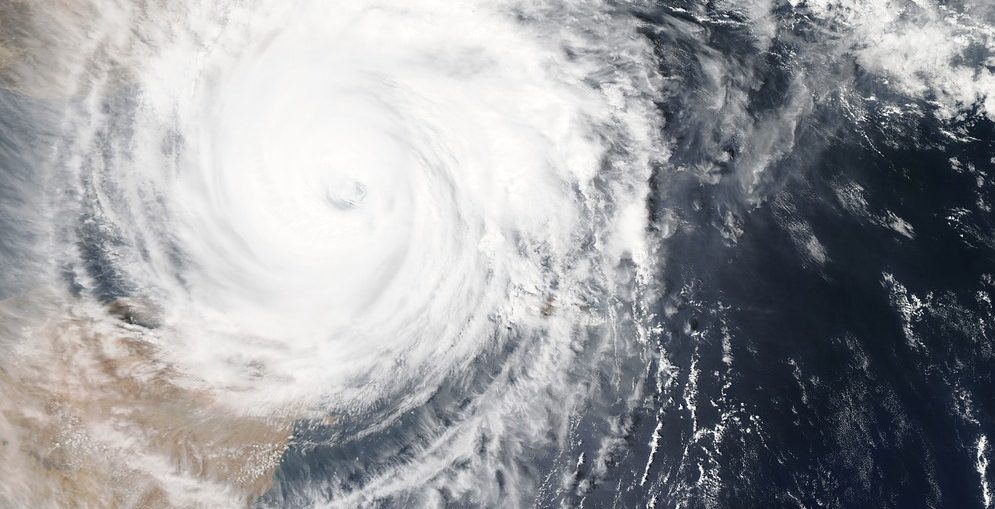
In recent years, the frequency and intensity of hurricanes, typhoons and cyclones has been increasing. Certain parts of the world are at greater risk than others. The term ‘hurricane’, ‘typhoon’ or ‘cyclone’ basically means the same thing but refers to the geographical location. See tropicalweather.net for more details.
A hurricane is a type of tropical cyclone that can cause torrential rains, high winds, storm surges, and flooding. It is mostly defined by its wind speeds of at least 74 mph. Hurricane Allen, in 1980, was recorded with sustained wind speed of 180mph.
Formation, movement and aftermath
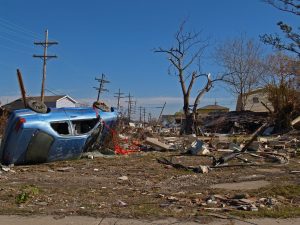
Hurricanes form over large basins of warm water such as an ocean or gulf which allow the build up of energy. Although they form relatively close to the equator, their movement along seaboards brings disaster further afield. A hurricane, for example, that originates in, or close to, the Gulf of Mexico that wreaks havoc from Florida up to Maine may then affect the UK in its aftermath. Worryingly, the frequency and intensity of major storms and hurricanes has been increasing in recent years, with no sign of a let up. For that reason, it is essential to be prepared for such an event.
Below are tips, adapted from the United States’ FEMA (Federal Emergency Management Agency) on what you can do to get ready for a hurricane or huge storm.
Plan and prepare

- Secure your property. The best protection for windows is permanent storm shutters. Alternatively, board up the windows with marine plywood (18mm or ⅝” thickness) that has been cut to fit and ready to install. Note that tape does not prevent windows from breaking.
- To reduce roof damage, install straps or additional clips to securely fasten your roof to the frame structure.
- Minimise the risk of damage from broken branches and debris by trimming trees and shrubs around your home.
- Clear any loose and clogged rain gutters and downpipes to prevent misdirected flooding.
- Determine how and where to secure your boat (if appropriate).
- Consider building a safe room.
- If you have a basement, keep articles elevated to avoid damage from flooding.
- Keep a well-stocked emergency survival kit in case you lose power. Think about what you might need if you are cut off for a number of days without power.
- Make sure your vehicles are fully fuelled.
During a Hurricane

If a hurricane is likely in your area, you should:
- Stay informed by monitoring the storm via radio, TV, and internet.
- Secure your home. Close storm shutters or fit the marine plyboard. Secure any outdoor objects or bring them inside. Objects such as lawn furniture, bins, hanging plants, toys and awnings can be broken and picked up by strong winds. These can become dangerous projectiles.
- Turn off utilities if instructed by authorities to do so. If not, turn the refrigerator thermostat to its coldest setting and keep its doors closed.
- Turn off propane tanks if you have them.
- Only use the phone for serious emergencies.
- Have cash available (ATMs may not be working).
- Moor your boat if time permits (if appropriate).
- Ensure a supply of water for sanitary purposes eg for cleaning and flushing toilets. Fill the bath and other large containers with water.

You should evacuate under the following conditions if:
- directed by local authorities to do so. Be sure to follow their instructions.
- you live:
- in a mobile home or temporary structure – such shelters are particularly hazardous during hurricanes – no matter how well fastened to the ground
- in a high-rise building – hurricane winds are stronger at higher elevations.
- on the coast, on a floodplain, near a river or on an inland waterway.
- If you feel that you are in danger.
where evacuation is not possible, go to your safe room. If you do not have one, follow these guidelines:
- Stay indoors and away from windows and glass doors.
- Close all interior doors—secure and brace external doors.
- Keep curtains and blinds closed. If there is a lull, be aware that it could be the eye of the storm – winds will pick up again.
- Take refuge in a small interior room, closet, or hallway on the lowest level.
- Lie on the floor under a table or another sturdy object.
Recovering from Disaster
Recovering from a disaster is usually a gradual process. Safety is the primary issue and this includes both mental and physical well-being. For specific health, safety, and rebuilding guidelines regarding recovery, visit the FEMA web site.
Would you survive a hurricane?
There is no guarantee that you will survive a hurricane, no matter what precautions you have taken. However, the better you have planned and prepared will substantially increase your chance of survival.
For further information, read FEMA’s ‘How to prepare for a hurricane’ brochure.
